



As Advanced Driver Assistance Systems (ADAS) become standard in modern vehicles, proper calibration after windscreen replacement or repair is essential. Windscreen ADAS calibration ensures that front-facing cameras and sensors provide accurate data to safety systems such as Lane Departure Warning (LDW), Forward Collision Warning (FCW), Autonomous Emergency Braking (AEB), and Traffic Sign Recognition (TSR).
There are two main types of windscreen ADAS calibration: Static calibration and Dynamic calibration. Understanding the differences between them helps repair shops, auto glass specialists, and technicians choose the correct calibration method and avoid safety risks.
Windscreen ADAS calibration is the process of realigning and resetting the vehicle’s forward-facing camera system after the windscreen has been replaced, repaired, or disturbed. Even minor changes in camera position or angle can lead to inaccurate ADAS operation, potentially compromising vehicle safety.
Depending on the vehicle manufacturer and ADAS design, calibration may be required using static methods, dynamic methods, or a combination of both.
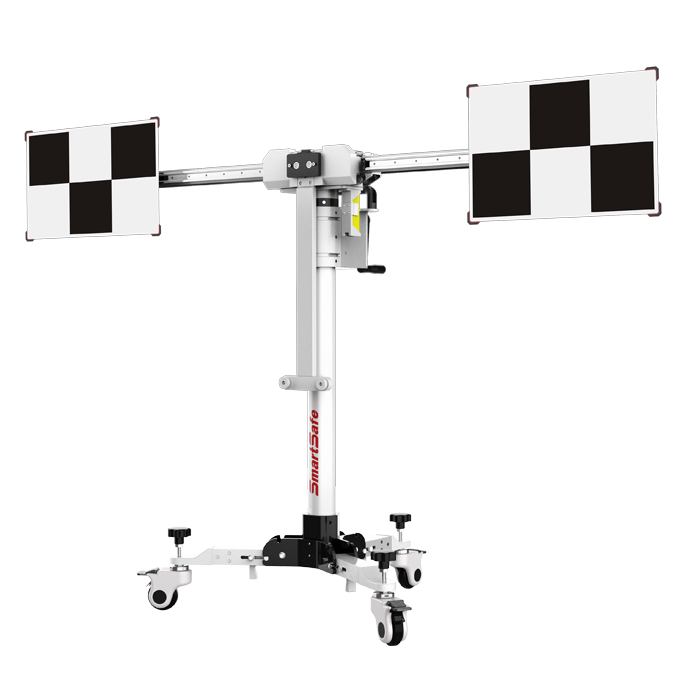
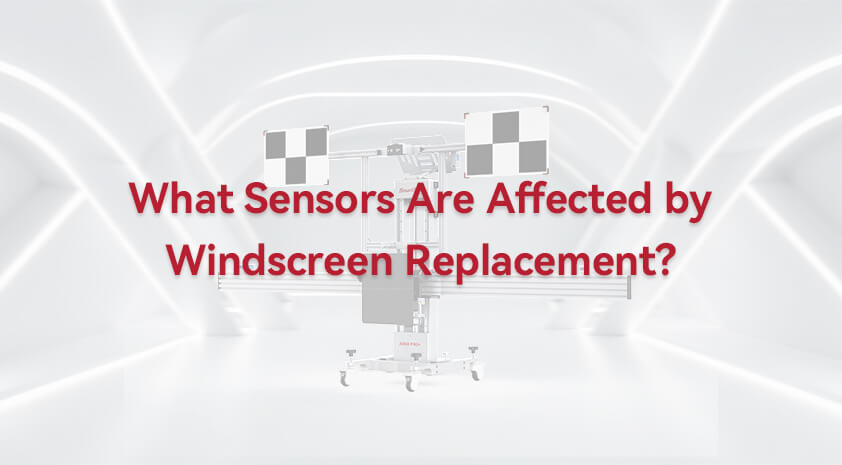
Static ADAS calibration is performed in a controlled indoor environment using calibration targets, frames, and precise measurement tools. The vehicle remains stationary while the camera is calibrated to reference targets positioned at manufacturer-specified distances and angles.
- Performed in a workshop or calibration bay
- Requires OEM-specified calibration targets
- Strict control of lighting, floor level, and vehicle position
- High accuracy and repeatability
Static calibration is commonly required when:
- The windscreen is replaced
- The ADAS camera is removed or replaced
- The vehicle manufacturer specifies static calibration only
- Workshop-based calibration is preferred for precision
Advantages
- Highly accurate and consistent
- Not affected by traffic or road conditions
- Suitable for complex ADAS systems
Limitations
- Requires dedicated space and equipment
- Longer setup time
- Higher initial investment for workshops
Dynamic ADAS calibration is performed by driving the vehicle on public roads under specific conditions. The vehicle’s camera system self-calibrates by recognizing lane markings, road signs, and surrounding objects during normal driving.
- Conducted on the road
- No physical calibration targets required
- Relies on real-world driving data
- Faster setup compared to static calibration
Dynamic calibration is typically required when:
- The vehicle manufacturer specifies dynamic calibration
- Minor windscreen or camera adjustments have occurred
- Road conditions meet calibration requirements
- Mobile or on-site service is preferred
Advantages
- Faster and more flexible
- No dedicated indoor space required
- Ideal for mobile calibration services
Limitations
- Dependent on road, weather, and traffic conditions
- Less controlled environment
- Calibration may fail if conditions are not met
| Aspect |
Static Calibration |
Dynamic Calibration |
|
Vehicle condition |
Stationary |
Driving |
|
Environment |
Controlled indoor space |
Real-world roads |
| Equipment |
Calibration targets & frames |
Diagnostic tool only |
|
Accuracy |
Very high |
Condition-dependent |
|
Setup time |
Longer |
Shorter |
|
Manufacturer dependence |
Often required |
Vehicle-specific |
The required calibration method depends on:
- Vehicle make and model
- ADAS system design
- OEM calibration guidelines
- Type of repair performed
Many modern vehicles require both static and dynamic calibration to complete the process successfully. Always follow manufacturer specifications to ensure compliance and safety.
Incorrect or incomplete windscreen ADAS calibration can lead to:
- False warnings or missed alerts
- Reduced effectiveness of safety systems
- Increased accident risk
- Liability issues for repair shops
Choosing the correct calibration type ensures ADAS systems function as designed and helps maintain vehicle safety standards.
Understanding the differences between static and dynamic windscreen ADAS calibration is essential for any workshop or auto glass business servicing modern vehicles. Both methods play a critical role in restoring ADAS accuracy after windscreen replacement or repair.
By following OEM guidelines and using professional calibration equipment, technicians can ensure reliable ADAS performance and safer driving for customers.
Return





 VIEW All